

Brockville’s history is filled with stories that are both haunting and significant. One such tale unfolded on December 14, 1893, when Charles Sanford Luckey became the last person executed at the Brockville Jail. This event, a defining moment in our town’s past, remains a dark yet fascinating chapter in our local heritage.

About Charles Sanford Luckey
Charles Sanford Luckey was a young man from Newbliss, a small hamlet near Brockville. Known to many in his community, Luckey’s life took a tragic turn in the months leading up to the crime. Accounts suggest he struggled with familial tensions and personal grievances, which ultimately culminated in the horrific events that shocked the region. Though details about his early life remain sparse, the tragedy that followed would forever etch his name into Brockville’s history.

The Crimes
Charles Sanford Luckey, a resident of the nearby hamlet of Newbliss, committed crimes that horrified the region. Consumed by anger and resentment, he murdered his father, stepmother, and half-sister in their family home. In an effort to destroy any evidence of his crime, it is suggested that Luckey set the house on fire. Neighbors reported seeing the house engulfed in flames, and upon further investigation, it was discovered that the doors and windows had been shut and fastened, which pointed to a deliberate attempt to cover up the murders. However, this remains speculative, as it was challenging to confirm the exact motivations behind the arson, given the limited forensic methods available at the time.
The Trial
Luckey’s trial drew widespread attention, not just in Brockville but in the surrounding areas as well. Held in the local courthouse, the proceedings became a focal point of public interest. Justice moved swiftly, as was common in those days. The jury deliberated briefly before finding him guilty, and the judge sentenced him to death by hanging.
The Execution
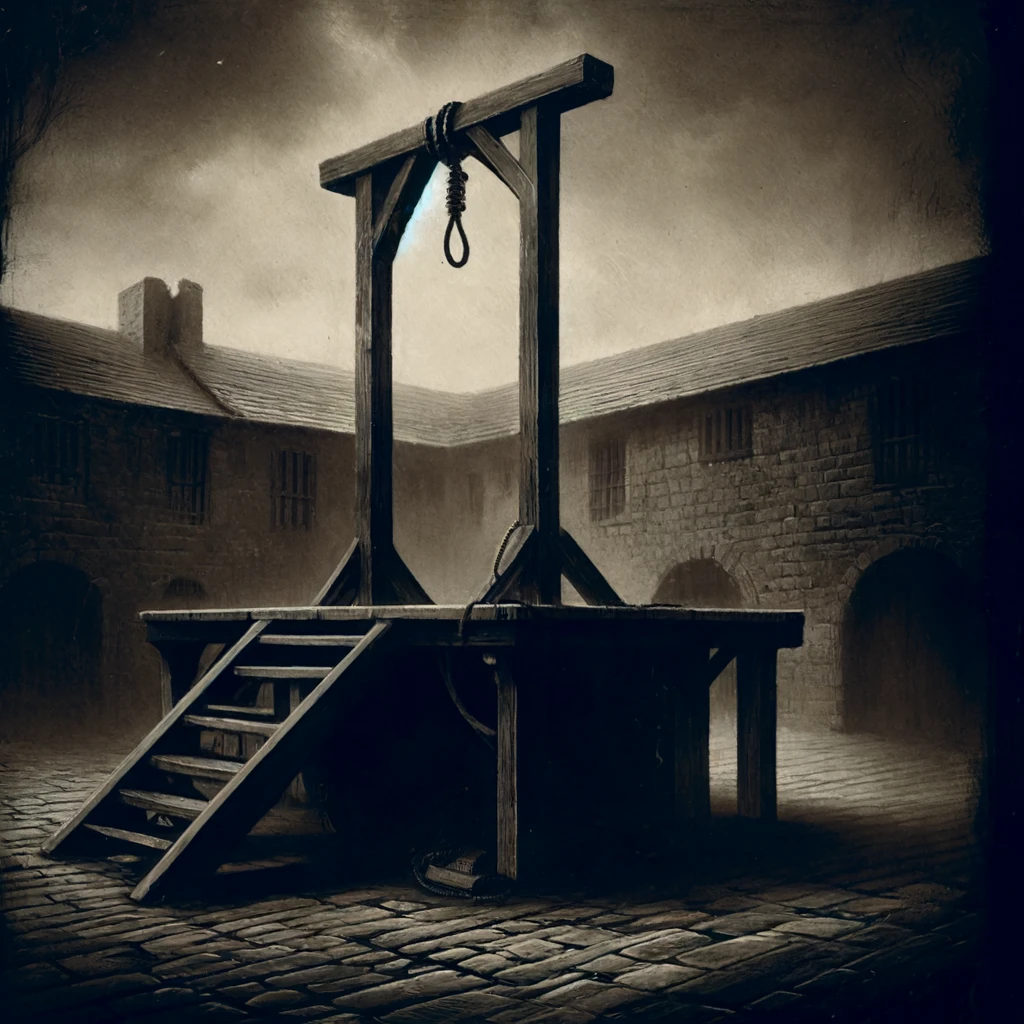
On a cold December morning in 1893, Charles Sanford Luckey faced the gallows behind the Brockville Jail. The execution was a somber event, witnessed only by a small group of officials and designated observers, as public hangings had been abolished years earlier. This marked the last execution to take place at the jail, signaling the end of an era for capital punishment in Brockville.
The jail itself, with its foreboding stone walls, had been the site of many grim events. Luckey’s execution, however, stands out not only for its finality but also for its lasting impact on the community.

Legacy
For the people of Brockville, the story of Charles Sanford Luckey is a powerful reminder of our past—a time when the justice system operated very differently than it does today. His crimes were appalling, yet his execution also highlights the harsh realities of the era. Canada abolished the death penalty in 1976, embracing a more rehabilitative approach to justice.
Today, the Brockville Jail continues to stand as a symbol of our town’s history. While it remains a functioning institution, its past is a key part of Brockville’s identity. The stories held within its walls reflect a darker chapter of our community’s history, and they offer a chance to learn from the past as we move forward. The tragic case of Charles Sanford Luckey remains a reminder of the evolution of justice and the importance of reflecting on the changes that have shaped us as a society.
