

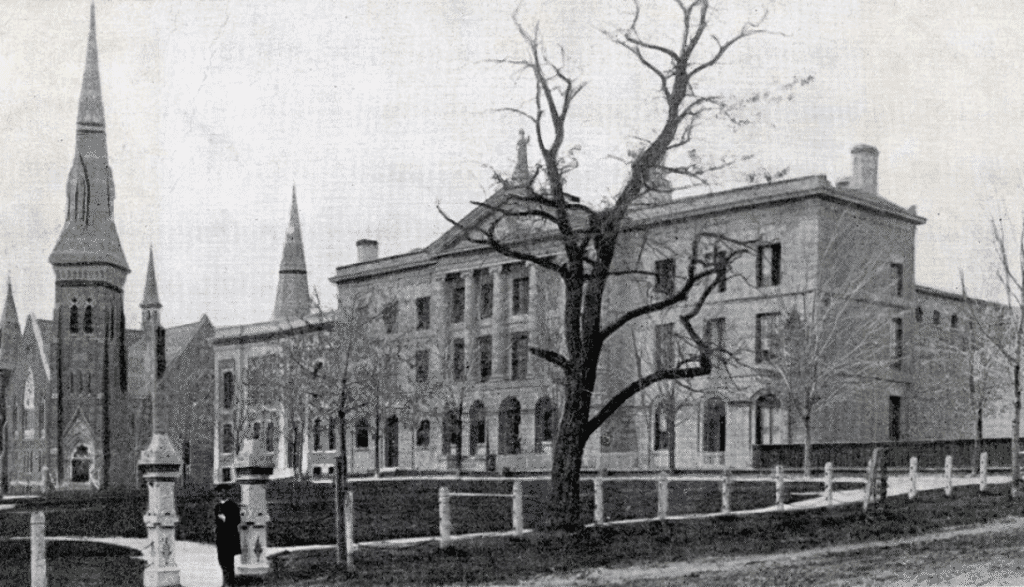
Harsh Realities: Life Inside the Brockville Jail During the Age of Punishment
For more than 150 years, the Brockville Jail stood as a symbol of justice, but for those confined within its stone walls, it was anything but just. Built in 1842 from imposing limestone, the jail was designed for function, not comfort. Overcrowding, unsanitary conditions, and a lack of basic necessities made life behind bars a grueling experience, reflecting the penal system’s harsh stance on crime and punishment in the 19th and early 20th centuries.

Cramped and Overcrowded
One of the most notorious aspects of the Brockville Jail was its overcrowding. Cells, originally intended for single occupants, often held multiple prisoners, creating an environment where personal space was a luxury. The lack of proper ventilation meant that the air inside was thick, stale, and often unbearable—especially in the sweltering heat of summer.
Despite the small size of the jail, it housed a diverse population of inmates—some serving short sentences for petty crimes, others awaiting trial, and even those condemned to death. The mixture of hardened criminals, debtors, and individuals accused of minor infractions only added to the tensions within the jail’s walls.
Minimal Hygiene and Poor Sanitation
Sanitation was another major concern. The jail had limited access to running water, and indoor plumbing was virtually nonexistent in its early years. Prisoners relied on basic chamber pots, which were often left unemptied for long periods, leading to overwhelming stench and unsanitary conditions. The spread of disease was a constant threat, as cramped quarters and poor hygiene created a breeding ground for infections.
Bathing was a rare privilege, and inmates were often left to endure the filth of their environment for extended periods. Clothing was not replaced regularly, and lice and other vermin thrived in the damp, unclean cells. The lack of proper bedding meant that prisoners often slept on wooden boards or thin mats that offered little relief from the cold stone floors.
Meager and Unappetizing Meals
Food at the Brockville Jail was far from nutritious, and meals were designed merely to keep inmates alive rather than nourished. A typical meal might consist of stale bread, watery porridge, or a thin soup with little substance. Protein sources, such as meat, were scarce and often of poor quality. Prisoners who misbehaved could be subjected to further food rationing as a form of punishment.
Those who could afford it might receive occasional food parcels from family members, but for most, mealtime was just another reminder of their bleak existence.

Hard Labor and Isolation
For many inmates, daily life involved grueling labor. Prisoners were expected to complete tasks such as breaking limestone, maintaining the jail’s facilities, or even working in nearby industries under strict supervision. These tasks were physically exhausting, and refusal to work often resulted in solitary confinement—a punishment feared by many due to the extreme isolation and deprivation it entailed.
Solitary confinement cells were even smaller than the regular ones, with no light and minimal ventilation. Inmates sent there for disciplinary reasons might remain in total darkness for days or weeks, with little human contact aside from the occasional delivery of food. The mental toll of such punishment was severe, and many prisoners left solitary confinement in a far worse state than when they entered.
The Push for Prison Reform
As the years passed, the inhumane conditions of the Brockville Jail, along with similar institutions across Ontario, led to growing calls for prison reform. Reports from inspectors and human rights advocates highlighted the need for improved sanitation, medical care, and more humane treatment of inmates. By the mid-20th century, some changes were implemented, but for much of its history, the Brockville Jail remained a harsh and unforgiving place.
Today, while the Brockville Jail remains in operation, its history serves as a reminder of the stark realities faced by those imprisoned there. Its thick stone walls have countless stories to tell—of suffering, endurance, and, ultimately, a shifting perspective on justice and rehabilitation in Canada.
